
Hindi Movie Review: Ganapath is an epic sci-fi failure that defies human logic

In a year that has seen the use of A.I. in film productions – at least those in Hollywood – consistently remain a hot topic in industry trade publications and union strike negotiations, it comes as something of a shock that actual living humans were responsible for writing and assembling Ganapath, even if it was made half a world away. The film represents perhaps the most haphazard cobbling-together of every science-fiction movie cliché to ever exist that one could have possibly imagined. Dystopian setting? Check. Epic strife between rich and poor? Check. “Chosen one” protagonist who is initially oblivious to his prophesized role? Check. Antagonist who speaks through a creepy voice-box for no apparent reason? Check. I could go on, but you could probably come up with the list yourself without even having seen the movie.
Putting aside writer/director Vikas Bahl’s insatiable appetite to rehash the familiar – so shameless it really feels like something a computer spit out – the actual execution of the script is so inept, it verges on unbelievable. This includes CGI effects so rudimentary, it appears as though the filmmakers looked at the VFX vendors’ previz renderings and told them, “This looks good enough and we’re short on cash, so we’ll consider it final.” But terrible visual effects are hardly the movie’s worst offense; from cinematography to editing to sound design, the production seems to lack any sense of proper “film language.” Which is to say, Ganapath doesn’t even feel like a real movie so much as a lot of shots that happen to be strung together – and this isn’t a case of filmmakers intentionally breaking the rules, it’s just pure incompetence.
Hindi Movie Review: Mission Raniganj takes a dated, but still emotionally engaging approach to telling a harrowing true mining story
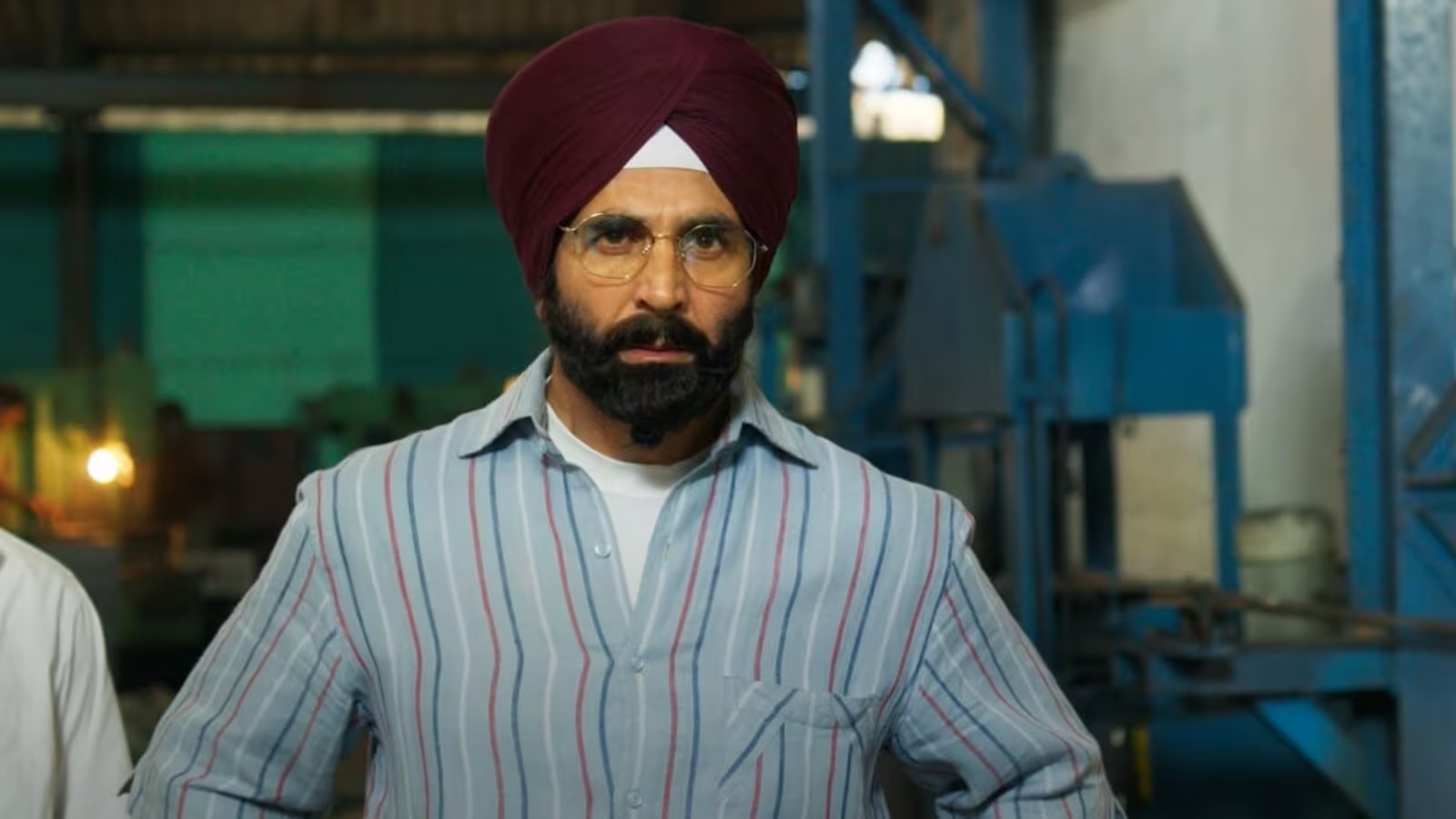
The box office underperformance of Mission Raniganj has led many online and in the Bollywood media to speculate that Akshay Kumar may be ‘done for’ as a leading man, especially when paired with the disastrous results for his other key film this year, Selfiee. And the movie itself lends plenty of ammunition to this argument, coming across as dated in several ways that feel less nostalgic (a la Top Gun: Maverick) than they do just-plain-tired. Based on the famous coal mining rescue mission of 1989, the film’s story is truly remarkable, but as audiences have been reminded countless times before, inspiring source material doesn’t automatically lend itself to great filmmaking.
The first few scenes, in particular, had me fearing for the worst. They immediately struck me as though they could be part of a Bollywood film quickly forgotten 20 years ago – and I’m relatively new to watching this industry’s productions! Kumar’s character, mining engineer Jaswant Singh Gill, is introduced with such an old-fashioned heroic tone that feels so artificial, you have to keep reminding yourself that he’s actually based on a real person. Then there’s a throwaway musical number because… well, the filmmakers still feel obligated to include one and there was no other logical place to toss it in. Not long after, we get to the big action set-piece where the mine collapses, trapping dozens of miners inside, and the cheap-looking CGI (especially the water effects) undermines the authenticity of the chaos.
Hindi Movie Review: Sukhee doesn’t introduce anything new to the midlife female empowerment genre
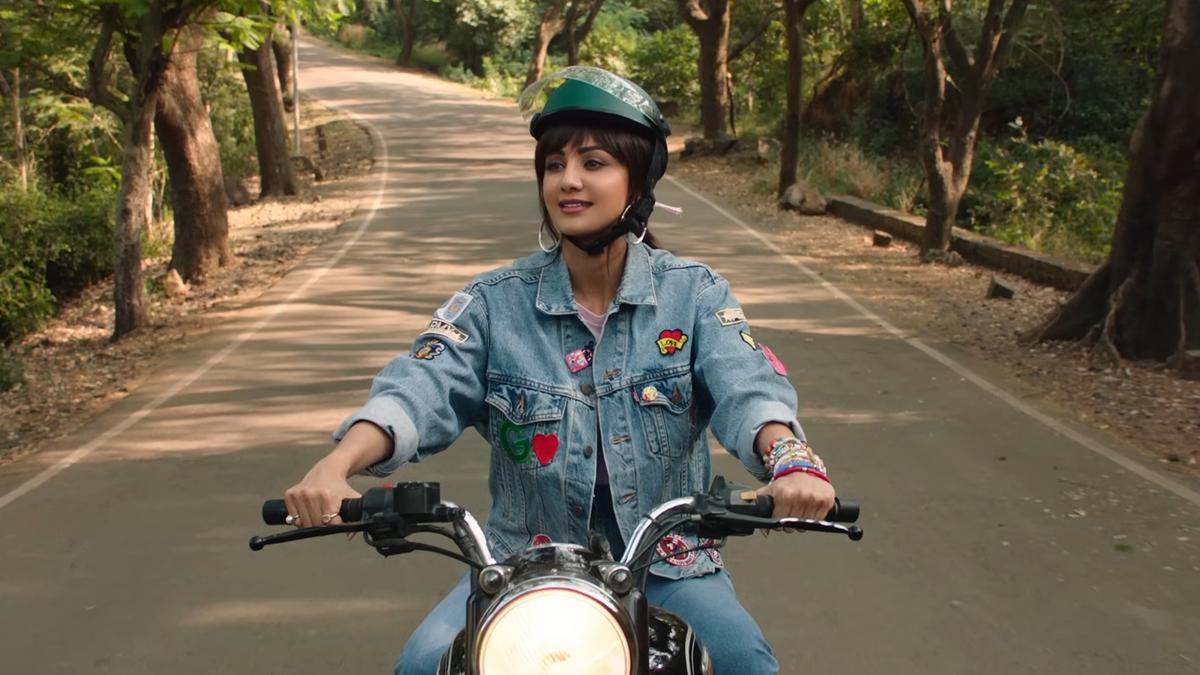
Sonal Joshi’s Sukhee scores plenty of points for being well-intentioned, but virtually none for originality, which isn’t the optimal balance for a greeting card, much less a movie. The latest entry into the “middle-aged woman finds herself” subgenre – which has grown tired in both the East and West – it offers few new insights about midlife reawakening and less edge than even Eat Pray Love. And yet, it’s hard to feel much hostility towards the film because, well, everybody’s heart seems to be in the right place. The title character is sympathetic, the ultimate message is unobjectionable, and the movie as a whole goes down relatively easy. Sukhee feels more unnecessary than it does unenjoyable.
Shilpa Shetty Kundra plays Sukhpreet “Sukhee” Kalra, a Punjabi homemaker whose contributions to her family and marriage go entirely underappreciated. Her husband Guru (Chaitanya Choudhry) is consistently preoccupied by financial climbing and winning contracts at work; her teenage daughter Jassi (Maahi Jain) takes her motherly efforts for granted. Only Sukhee’s elderly father-in-law (Vinod Nagpal) seems to recognize all that she does, and he passes away not a half-hour into the picture. So when an invitation to her 25-year high school reunion lands in her inbox, the disaffected Sukhee realizes that it’s time to return to her teenage home of Delhi and get back in touch with the independent, vivacious young woman she once was, objecting husband be damned.
Hindi Movie Review: Shah Rukh Khan’s Jawan lives up to the massive hype

This past January, Shah Rukh Khan returned to his first leading role following a four-year hiatus in Pathaan, which quickly became the highest-grossing Hindi film of all-time in India (not to mention a long list of international markets where the bar was lower). Less than nine months later, it looks like he’ll set that same record all over again with Jawan, which as of this writing has already claimed the title for top Hindi film opening day. Of course, these things can change quickly based on audience word-of-mouth, but I wouldn’t expect a slowdown any time soon for Jawan, as it delivers basically everything one could want from a mass appeal blockbuster. Like Pathaan, the movie boasts magnetic performances from both Khan and his costars, solid action set-pieces backed by well-earned stakes and suspense, surprising twists, and substantive but not patronizing social commentary. In other words, it’s the whole package.
Jawan’s very contemporary riff on a classic Robin Hood story makes it perhaps the biggest international blockbuster to date to tackle the global push towards social and economic populism. Khan plays the jailer Azad, who runs a women’s prison acclaimed for its rehabilitation programs. But that’s just his public-facing day job. Behind the walls of the prison – and beyond them – he also leads a covert team of six of the inmates imposing vigilante political justice in India. Early in the film, they hijack a Mumbai Metro train to extort the cash needed to pay down a slew of predatory government loans that were forced on farmers and other working-class people. In a subsequent mission, they shoot a corrupt Health Minister and rush him in for treatment at one of the government hospitals that his department deprives of proper resources. When the facility predictably doesn’t have the right surgeon or equipment, Azad demands that all government hospitals be supplied the proper inventory within five hours, before the patient can be saved.
Hindi Movie Review: OMG 2 falters in adapting the original scenario to a fit new social issue
The first Oh My God!, released in 2012, was a flawed film with an intriguing high concept, adapted from the Gujarati stage play Kanji Virudh Kanji and its inspiration, the Australian film The Man Who Sued God. The premise: With the earthquake that destroyed his shop deemed an “Act of God,” atheist Kanji Lalji Mehta seeks to take the responsible party – in this case, the Lord himself – to court. This evolves into a clever morality play that sees Kanji going after the self-anointed religious officers in society who collect donations only to enrich themselves, rather than serve the will of God and help others. While the setup of Oh My God! was better than its execution, which took the story into heavy-handed and obvious directions, it had a thought-provoking central idea relating to organized religion’s role in upholding justness. Looking back, it’s no surprise that such an ingenious, easily articulated concept that hit at the zeitgeist yielded big box office returns.
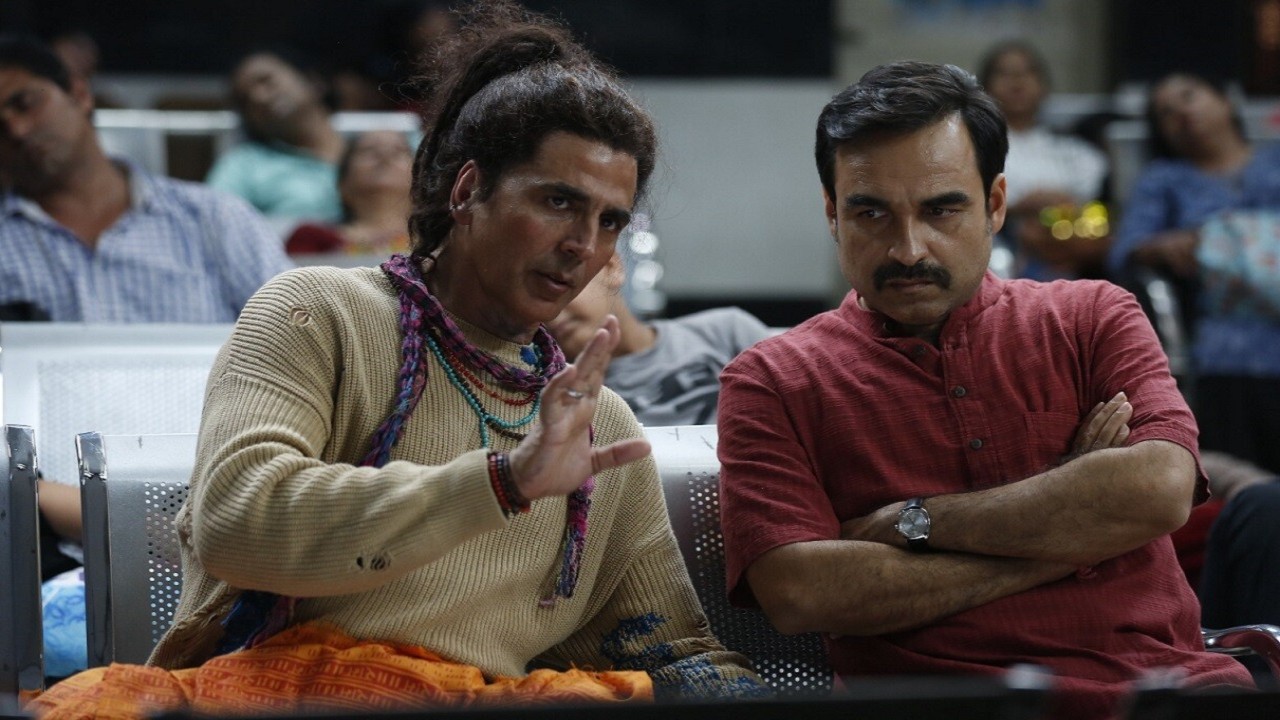
Oh My God! was clearly intended to be a self-contained story, so it’s hardly a surprise that its connection to this decade-later sequel feels awkward at best. The only common ingredient between the two films is Akshay Kumar, who reprises his role as a divine messenger – this time as a manifestation of Shiva, while last time it was Krishna. But even this part of the sequel feels like it has been shoehorned in. Whereas Kumar came across as a true spiritual guide to Kanji in the first film, offering divine counsel in urging him to read the Gita, Bible, and Quran for answers to his predicament, here he takes on more of the role of a “fairy godfather,” providing convenient solutions for protagonist Kanti Sharan Mudgal (Pankaj Tripathi) whenever he reaches a seemingly unsurmountable obstacle. As such, the franchise’s entire notion of spiritual devotion becomes muddled; whereas the first film ultimately extolled the virtues of unconditional belief in God, here it would seem the takeaway is you only need Him when you’re in a pinch. And this is only the beginning of the story’s thematic confusion.
Hindi Movie Review: Rocky Aur Rani Kii Prem Kahaani soars on infectious characters, sputters on sloppy politics
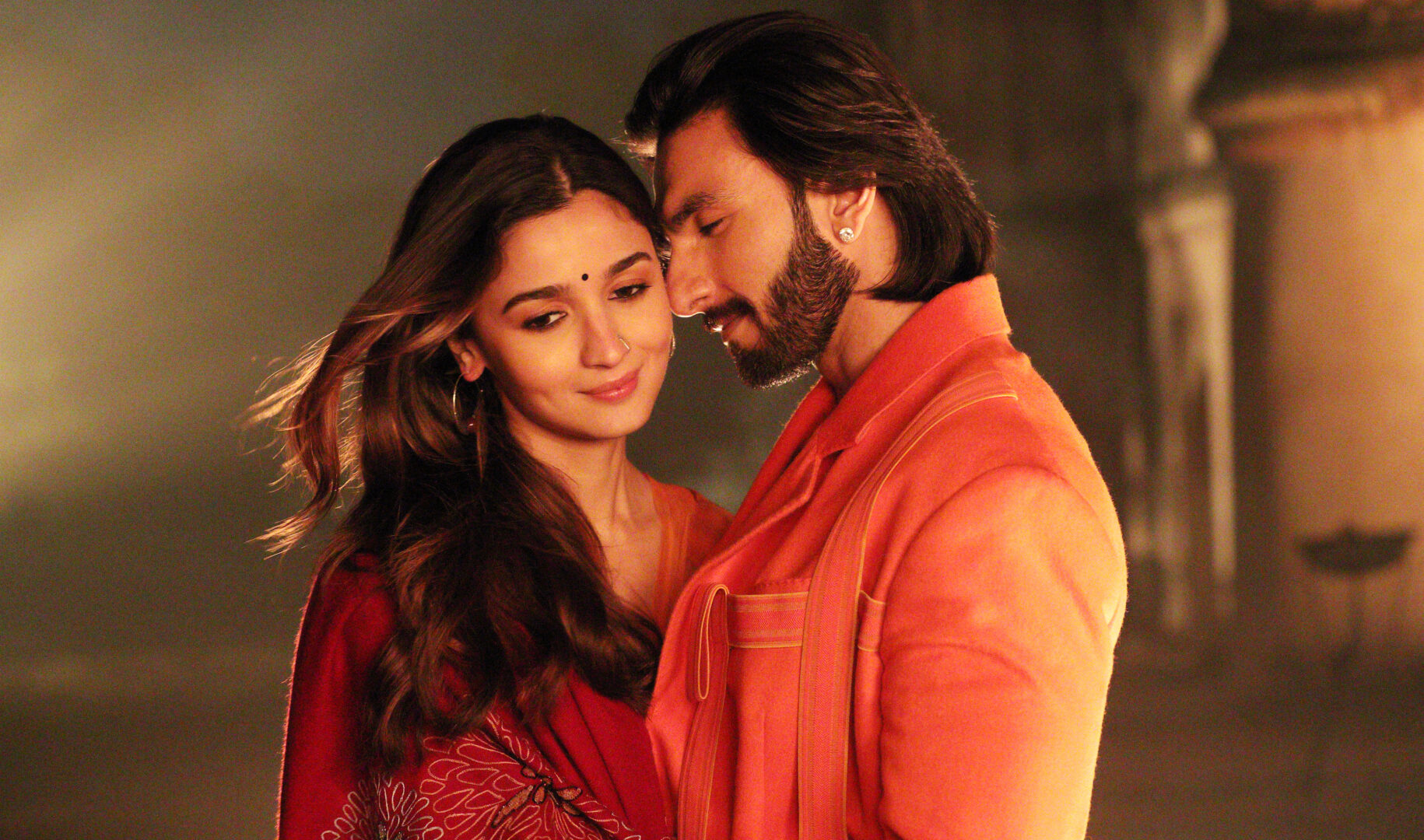
There is such an intoxicating energy to the first half – and especially the first third – of Rocky Aur Rani Kii Prem Kahaani (in English, “Rocky and Rani’s Love Story”) that it’s damn near impossible to resist in the early going. Telling an age-old story of opposites attracting with goofy aplomb, this latest directorial effort from megaproducer Karan Johar feels like a Bollywood-infused throwback to the golden era of early-2000s Hollywood rom-coms. With a seemingly effortless, high-energy style and two irresistibly charismatic lead performances by Ranveer Singh and Alia Bhatt, the film flies by until the intermission point.
Only at the movies are we willing to suspend disbelief to the extent that we buy into a romance between characters as seemingly mismatched as Singh’s Rocky and Bhatt’s Rani, but there’s something distinctly pleasurable about believing that such a pairing could actually happen. Or really, that these leads – so endearing but also so fabricated – could exist in the natural world. We meet the two characters in introductions so cheesy-delicious, they could sell them at Little Caesars. Rocky, an intellectually vacant but well-meaning Punjabi heir to a packaged laddoo fortune, romps around a club with a shirt that seemingly won’t button, while women of all ages drool at his feet. Rani, a bohemian-raised Bengali television journalist, takes down a chauvinist politician in an on-air interview that would have never been consented to in reality.
White Guy Watches Bollywood: An Introduction

By nearly anyone’s definition, I’m a highly avid moviegoer. I see around 150-200 movies in theaters over the course of an average year; occasionally, I make it north of 250. This pales in comparison to my totals during college and graduate school, but my 34-year-old body can’t handle more than three theatrical viewings in a row, which used to be somewhat commonplace for me on the weekends. I subscribe to AMC A-List, Regal Unlimited, and MoviePass, because my moviegoing can’t be contained to just one chain or another. I see movies of all budget levels, genres, and languages. But even I have a big, notable blind spot at the multiplex, shared by many other frequent moviegoers: Indian cinema.
Two events last year really convinced me that I needed to be paying a lot more attention to all of the Indian films being released theatrically in the U.S. (and across other formats, but theaters are a good, reasonably contained starting point).
The first event was the smashing success of S.S. Rajamouli’s RRR among American cinephiles. Here was a Tollywood movie that made countless year-end Top 10 lists among critics and fanatical moviegoers alike (mine included), thanks in no small part to the enterprising support of Dylan Marchetti and Variance Films. And yet, a little more than a year after its initial release, RRR already seems like more of a one-off phenomenon than an attention-generator for future Indian cinema among American audiences. Surely, there must be more for us to savor.